





The Quality of Your Work Depends on the Quality of Your Attention

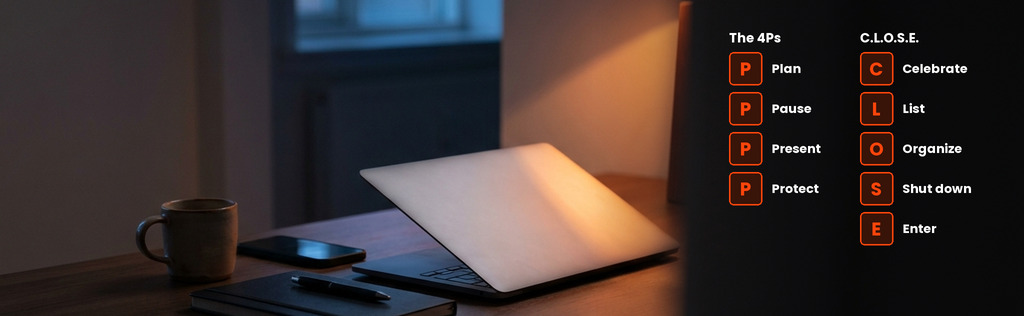
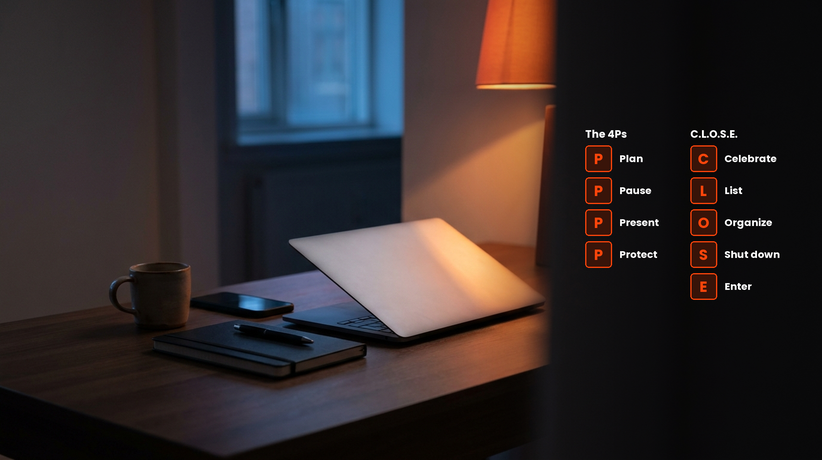
Managing time and managing attention are different problems. A calendar can be full and well organized, but the attention inside it can be scattered across a dozen small demands. Attention powers every decision, every solved problem, every collaboration, and every creative idea an engineer produces, and notifications, messages, meetings, competing priorities, and a steady stream of tools each pull it elsewhere. An engineer opens a notification, answers a message, checks something unrelated, and minutes later cannot say what the original task was.
Attention is one of the easiest resources to lose, so protecting it supports the quality of our work and the well-being of the people doing it. Attention underlies decisions, problem solving, collaboration, and creativity. That is why we treat it as part of how we look after our engineers and not as a personal productivity habit.
At Ballast Lane Applications, we address this through People First, our program dedicated to the well-being of our people. As part of it, our partner Selia, a mental health platform, led a team session called Protect Your Attention: Work with Intention, facilitated by Sebastian Tamara, a clinical psychologist.
What Our Teams Said Distracts Them Most
The session began by asking participants what distracts them most, and the answers were specific. Slack and notifications, including mobile ones, came up most often, followed by switching context, social media, meetings, clients, their own thoughts, multiple tasks, and an inbox that needs cleaning. Others named things no tool can silence: kids, a baby, chores, personal problems, and extreme weather.
This list shows two things. Many of these distractions are ordinary parts of the job, so removing them is not an option. Second, attention is pulled throughout the day, at work and at home, which makes protecting it both a well-being and a productivity issue. From there, the session introduced four practices, called the 4Ps, a closing ritual, and a next step for each person to apply.
The 4Ps of Working with Intention
- Plan
Plan comes first, and starts with: being busy is not the same as being intentional. Planning the day before it starts clarifies priorities, reduces decision fatigue, protects focus, and creates a mental space that a purely reactive day rarely allows. The session offered a priority planning template split into three parts: the day's intention, the top three priorities, and one block of protected focus time. Instead of beginning the day by responding to whatever appears first, the practice is to decide what deserves attention.
- Pause
Pause comes second, and the session framed it carefully. A pause is not a reward after enough work; it is a condition that makes productivity possible. A purposeful sixty-second break between major tasks works as a reset in four steps: stop before starting the next task, breathe, notice where the attention currently is, and choose where it needs to go next.
- Present
Being present means regaining focus when a notification pulls attention away, and you lose concentration. Distractions are inevitable, and being present means noticing the drift, bringing focus back to where you want it to go, or where it was, and staying there.
- Protect
Protect is about boundaries. Not every request demands immediate attention, and protecting attention means making deliberate choices. Sometimes that means saying no, or not right now, to non-essential interruptions and focusing on whatever matters most. Not everything deserves attention, and each person deserves their own attention.
The C.L.O.S.E. Ritual
Without a shutdown routine, open tasks stay in the mind, creating a low hum of anxiety that drains mental energy overnight.
The boundary between professional and personal time is hard to establish because a closed laptop does not automatically mean a closed mind. Selia's answer to this is the C.L.O.S.E. ritual, a short practice that signals to the brain that the workday is genuinely over:
- Celebrate
Take a moment to acknowledge what you actually accomplished today, rather than fixating strictly on what remains on the to-do list.
- List
Write down every pending question, task, or follow-up. Getting them out of your head and onto paper prevents your brain from dwelling on them after hours.
- Organize
Identify your top priorities for tomorrow so you can start the next morning with instant momentum and direction.
- Shut down
Close unnecessary browser tabs, log out of communication channels, and physically stand up to tell your body that work is done.
- Enter
Step away and transition into non-work mode. Go for a walk, spend time with family, or pursue a hobby. Permit yourself to enjoy personal time.
Intentional Attention Matters More as Execution Speeds Up
The 4Ps and the C.L.O.S.E. ritual are now integrated into the Ballast Lane Applications team, not just something discussed in a single session. Planning shapes how the day starts, the pause and the return keep it on course while it runs, and the C.L.O.S.E. ritual shapes how it ends. The practices are simple, but the hard part is turning them into habits in an environment built to interrupt them.
The goal is becoming more intentional about what gets attention and when: planning what deserves it, pausing before jumping into a new assignment, being fully present with the task at hand, and protecting focus from what does not deserve it. Good decisions require the ability to pay attention to the information that matters. That is why we protect it: the quality of the work depends on the quality of the attention our people bring to it.